Nine demos. Three hours. Lots of bugs—physical samples, that is, not software errors.
Thanks for joining our demo night, co-hosted with Sean Jungbluth, founder of BioKEA and an ambassador for the SF Claude Community. If you missed it, the demos and recap are below.
Thanks to our event partners
- Claude Community is organized by local enthusiasts for everyone who loves building with Claude. See the global event calendar.
- Worldwide Studios is an education nonprofit hosting free, virtual, part-time 100-day fellowships for scientists building with the latest AI and hardware. Apply for the next cohort.
- Humanmade is a nonprofit community hardware space providing workforce-development training and program support for businesses. Apply for its small-business program.
Featured demos
1. Austin demoed BioKEA’s automated bug-sample preparation workflow
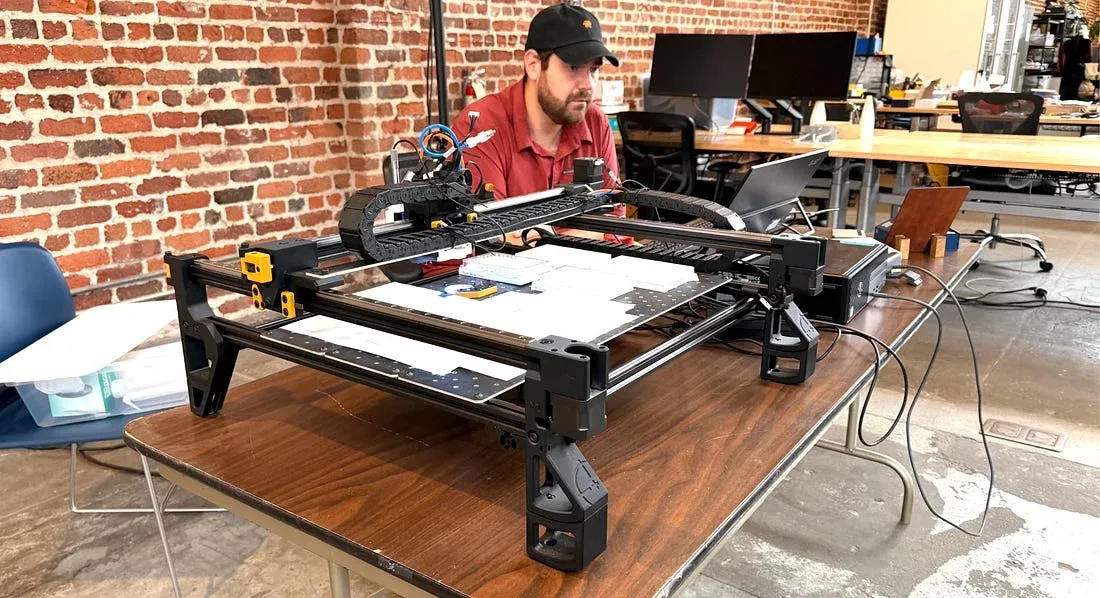
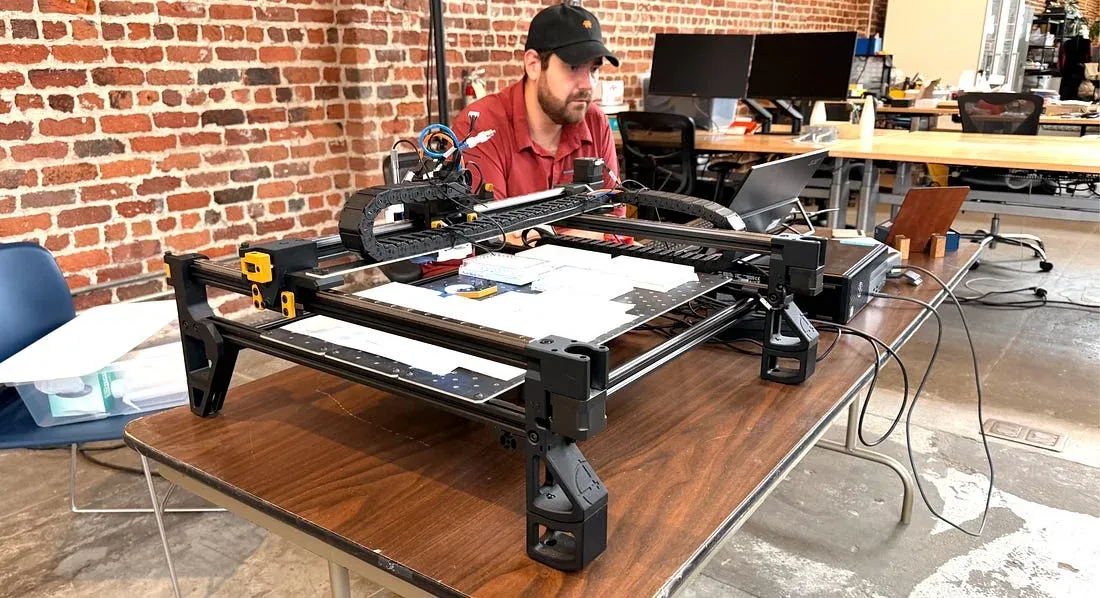
Austin Baker, biodiversity researcher at BioKEA, shared a computer-vision pipeline for an automated insect sorter. The tabletop pick-and-place machine—similar to equipment used in electronic assembly—uses a vacuum to move bug samples into a well plate for workflow preparation.
Before using coding agents, Austin had not used automated hardware or custom software in this workflow. The team currently has capacity for 30–40 plates a month; its future target is 18 a day, roughly a 30-fold increase.
2. Brontë demoed Zeon Systems’ world-model platform
Brontë Kolar, co-founder of Zeon Systems, is working to let scientists run their own hardware for automated experiments. She demonstrated a platform that combines a world model with 3D objects for simple simulations and composes skills into workflows. Every component is text-based, making the system legible to agents.
3. Simon demoed HiveMind for neuron cell-culture monitoring
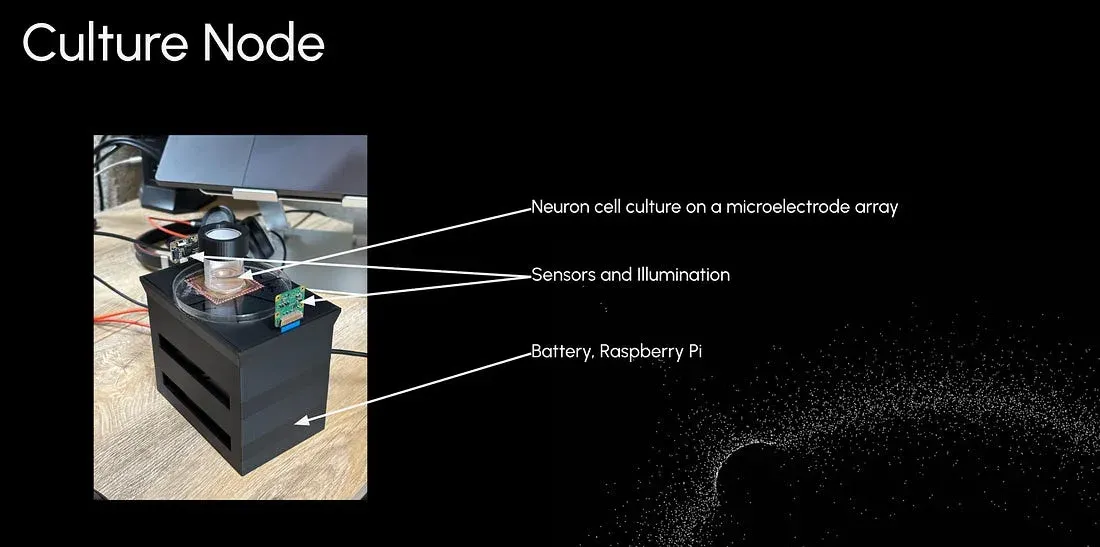
Simon Coelho shared HiveMind, an open cell-culture monitoring device designed for Openshelf—an automated inventory system for high-throughput experiments.
Rapid two-minute demos
4. Oliver shared a hypothesis-generation workflow for structure-based drug design
Oliver Sun, co-founder of Reasoned Therapeutics, shared the team’s hypothesis-generation workflow for structure-based drug design.
5. Shubham shared YourBuddy, a reasoning copilot for experimental data
Shubham Gupta, a PhD candidate in chemistry, shared YourBuddy, a reasoning copilot for experimental data.
6. Eldar demoed protein-function model training with Clusy
Eldar Hasanov, co-founder and CTO of Clusy, demonstrated its fine-tuning setup for protein-function model training. Clusy is offering $20 in free credits for members of the community who want to try it. Request credits here.
7. Jay shared Byteport’s fast file-transfer protocol
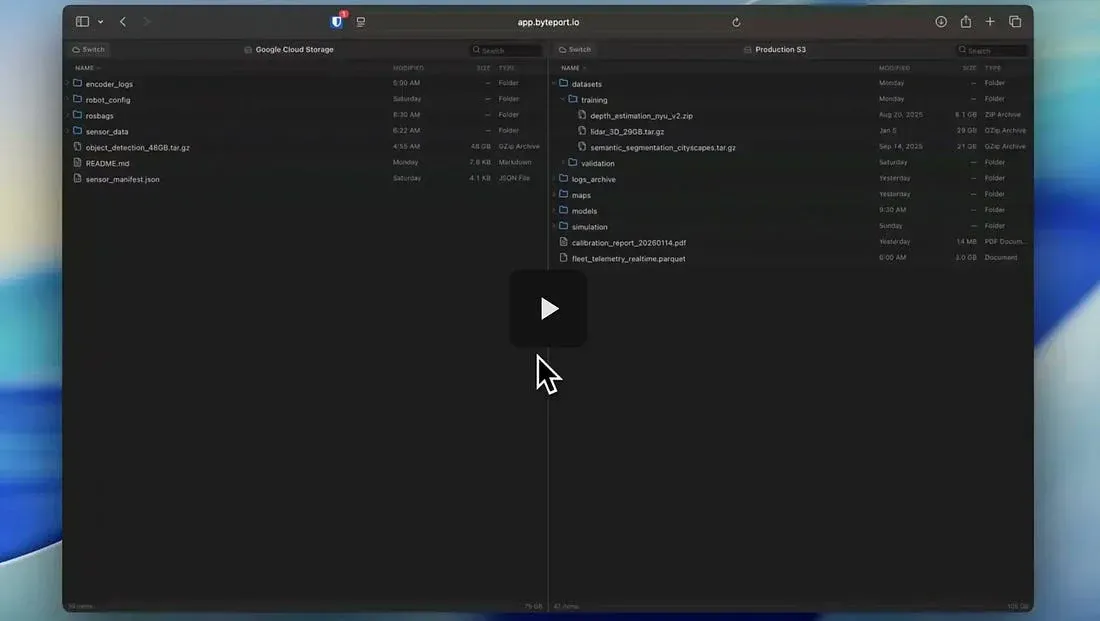
Jay Palamadai, CEO of Byteport, shared the company’s fast file-transfer protocol.
8. Taras shared a robotic peeling dexterity integration
Taras Nazarov, senior research scientist at Washington State University, shared the latest work on his organelle project, including a robotic peeling dexterity integration.
9. Joel demoed agentic fly tracking
Joel Adler, visiting collaborator for AI curriculum at the University of Virginia, demonstrated an agentic fly-tracking setup from work with the Worley Lab.
Help support the next meetup
We are looking for:
- A lab or venue partner for the next AI for Science hack this fall: space for roughly 50–100 people, a weekend build, and a few robots.
- Demo night partners for demos, venues, or sponsorship.
If that sounds like you, get in touch. See you at the next one.